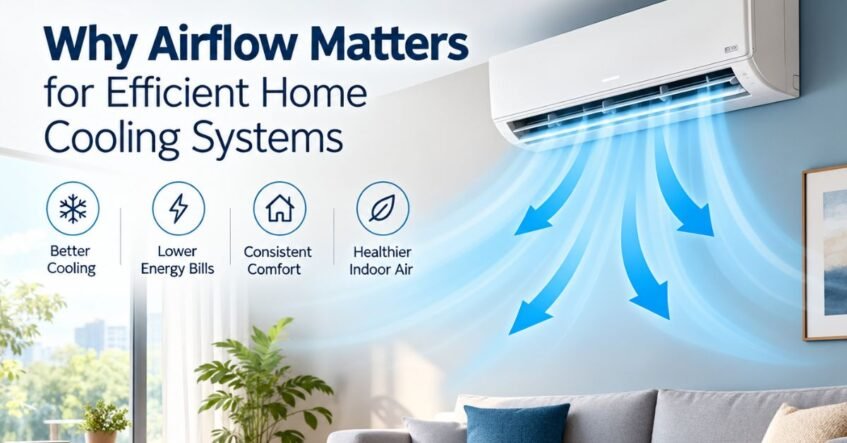
Why Airflow Matters for Efficient Home Cooling Systems
A comfortable home depends on more than simply having an air conditioner running. The way cooled air moves through rooms plays an important role in maintaining consistent indoor temperatures and using energy efficiently. Good airflow helps an air conditioning system distribute conditioned air properly, while restricted airflow can make the system work harder than necessary. Heater Installation & Repair Services in Melbourne can also help ensure heating systems maintain proper airflow and deliver consistent indoor comfort during colder months. Understanding the importance of airflow can help homeowners maintain better comfort, improve system performance, and avoid unnecessary cooling costs.
What Is Airflow in a Cooling System?
Airflow refers to the movement of air through an air conditioning system and throughout the home. Warm indoor air is drawn into the system through return vents, cooled by the indoor coil, and then pushed back into living spaces through supply vents and ductwork.
For an air conditioner to operate efficiently, this process needs to remain smooth and balanced. When air cannot move freely, the system may struggle to transfer heat effectively. This can lead to longer cooling cycles, uneven temperatures, increased energy consumption, and additional stress on important components.
How Proper Airflow Improves Cooling Performance
Efficient airflow allows cooled air to reach different areas of the home more effectively. When supply vents, return vents, filters, and ducts are clear, the air conditioning system can circulate air without unnecessary resistance.
Good airflow also supports proper heat transfer. The indoor coil needs an appropriate amount of air passing over it to absorb heat from the indoor environment. If airflow becomes restricted, the coil may not operate as intended, which can reduce cooling capacity.
A system with healthy airflow can therefore provide more consistent comfort while operating under normal conditions.
Restricted Airflow Can Increase Energy Use
One of the biggest concerns associated with poor airflow is increased energy consumption. When an air conditioner cannot move enough air, it may need to operate for longer periods to reach the desired temperature.
Several issues can contribute to restricted airflow, including:
- Dirty or clogged air filters
- Blocked supply vents
- Closed or obstructed return vents
- Dust accumulation inside ductwork
- Damaged or poorly designed ducts
- Problems with the indoor blower
- Incorrectly sized components
When these problems remain unresolved, the system may consume more electricity without delivering better cooling. Regular maintenance can help identify airflow restrictions before they become larger performance problems.
Air Filters Play an Important Role
The air filter is a simple component, but it has a direct effect on airflow. Its main purpose is to capture dust, airborne particles, and other contaminants before air passes through the system.
Over time, a filter can become loaded with dust. A heavily blocked filter makes it harder for the system to pull and circulate air. This can reduce cooling performance and place additional demand on the blower.
Homeowners should check filters regularly and replace or clean them according to the manufacturer’s recommendations. Homes with pets, frequent dust, or high occupancy may require more frequent filter attention.
Ductwork Affects Air Distribution
Even when the air conditioner itself is working correctly, damaged or poorly sealed ductwork can affect cooling efficiency. Leaks can allow conditioned air to escape before it reaches the rooms where it is needed.
Crushed, disconnected, or poorly insulated ducts can also interfere with air distribution. As a result, some rooms may feel comfortable while others remain warmer.
Professional duct inspection can help identify leakage, insulation problems, airflow restrictions, and other issues that may prevent conditioned air from reaching different areas efficiently.
Balanced Airflow Helps Prevent Uneven Temperatures
Have you ever noticed that one room feels much warmer than another even though the thermostat shows the desired temperature? Uneven airflow could be one contributing factor.
A balanced cooling system should deliver an appropriate amount of conditioned air to different areas of the home. Furniture, curtains, storage items, or other objects should not block supply and return vents.
Maintaining clear airflow pathways allows conditioned air to circulate more effectively and can reduce uncomfortable hot or cold spots.
Poor Airflow Can Put Stress on the System
An air conditioner is designed to operate within specific airflow conditions. When airflow is consistently restricted, components such as the blower motor and indoor coil may experience additional stress.
In some situations, insufficient airflow can contribute to coil freezing and other operating problems. If the system repeatedly struggles to maintain temperature or shows signs of reduced air coming from the vents, professional inspection can help determine the underlying cause.
Addressing airflow issues early is generally better than waiting until a cooling system experiences a major breakdown.
Regular Maintenance Supports Better Airflow
Preventive maintenance is an important part of maintaining efficient airflow. A professional inspection can include checking filters, blower operation, coils, ductwork, vents, and other components that influence air movement.
Homeowners can also take simple steps between professional visits. Keep vents open and unobstructed, replace filters when required, keep return-air pathways clear, and pay attention to changes in airflow.
A sudden reduction in air coming from the vents, unusual noises, longer cooling cycles, or inconsistent room temperatures may indicate that the system needs attention.
Conclusion
Airflow is a fundamental part of an efficient home cooling system. Clean filters, clear vents, properly maintained ductwork, and regular professional inspections can help conditioned air move effectively throughout the home. Working with the Best Heating and Cooling Company in Melbourne can help homeowners maintain their HVAC systems and address airflow issues before they affect comfort or efficiency. Good airflow supports consistent comfort, reduces unnecessary strain on equipment, and can help control energy consumption.
Rather than focusing only on the thermostat setting, homeowners should also consider how effectively air is moving through the entire cooling system. Maintaining healthy airflow is a practical way to support reliable air conditioning performance and a more comfortable indoor environment.