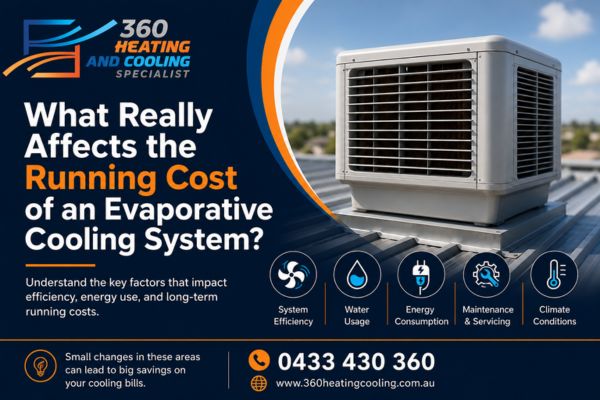
What Really Affects the Running Cost of an Evaporative Cooling System?
An evaporative cooling system can be an economical way to stay comfortable during Melbourne’s warmer months, but its running cost is influenced by more than the electricity it uses. How often the system operates, the condition of the cooler, airflow, water consumption, thermostat settings, and even the design of the property can all affect ongoing expenses. For homeowners comparing different cooling options, professional Split System Air Conditioner Services in Melbourne can also provide useful support for maintaining efficient cooling performance and choosing solutions suited to the property.
Understanding these factors can help homeowners make smarter cooling decisions and avoid unnecessary energy and maintenance costs. Rather than focusing only on the system’s power rating, it is useful to look at how efficiently the entire cooling setup operates in everyday conditions.
How Evaporative Cooling Uses Energy
Evaporative cooling works differently from refrigerated air conditioning. It draws warm outdoor air through water-moistened cooling pads, allowing evaporation to reduce the air temperature before the cooled air is distributed throughout the home.
The system generally uses electricity to operate components such as the fan and water pump. Because it does not rely on a compressor to refrigerate the air, electricity consumption can be relatively modest. However, the actual running cost depends on how efficiently these components operate and how long the system needs to run.
A system that operates for several hours every day will naturally consume more energy than one used occasionally. However, excessive running time can also indicate airflow problems, poor maintenance, unsuitable settings, or inadequate cooling performance.
System Size and Fan Operation Matter
The size of an evaporative cooling system should suit the property it is expected to cool. An undersized unit may need to run for longer periods to achieve the desired comfort level, increasing overall energy consumption.
On the other hand, an unnecessarily large system may not provide proportional savings. Fan speed is another important consideration. Higher fan settings can increase electricity use, particularly when the system is operated at maximum capacity for extended periods.
Choosing appropriate settings based on outdoor conditions and indoor comfort can help prevent unnecessary energy use.
Outdoor Weather Conditions Can Change Costs
Evaporative cooling is strongly influenced by the weather. Its performance generally depends on the ability of water to evaporate into the incoming air.
On hot and relatively dry days, evaporation can work effectively and provide comfortable cooling. When humidity is higher, evaporation becomes less effective, and the system may need to operate differently to maintain indoor comfort.
This means running costs can vary from one day to another even when the system is used for the same amount of time. Homeowners should consider both temperature and humidity rather than judging performance based on temperature alone.
Maintenance Has a Direct Impact on Efficiency
Maintenance is one of the most overlooked factors affecting cooling costs. Dust, mineral deposits, blocked filters, dirty cooling pads, restricted vents, and other issues can interfere with normal system operation.
For example, dirty cooling pads may reduce the system’s ability to cool incoming air effectively. A fan or motor working against restricted airflow may also have to work harder to deliver the required air volume.
Regular inspections and appropriate maintenance can help identify these issues before they affect performance significantly. Keeping the system clean does not just support better cooling; it can also help prevent small problems from becoming expensive repairs.
Airflow and Ductwork Should Not Be Ignored
Even a well-maintained evaporative cooler can lose efficiency if cooled air cannot move effectively through the property.
Blocked or poorly positioned vents, damaged ductwork, leaks, inadequate insulation, and restricted airflow can reduce the amount of cooled air reaching living areas. As a result, homeowners may run the system for longer or select higher fan speeds to compensate.
Checking the complete airflow pathway is therefore important when a cooling system appears to be using more energy than expected.
Your Home’s Insulation Makes a Difference
The condition of a property also influences how long an evaporative cooling system needs to operate. Good insulation can help reduce heat entering the home and allow comfortable indoor temperatures to be maintained for longer.
Windows, doors, ceilings, walls, and roof spaces can all affect heat transfer. If a home gains heat quickly during the day, the cooling system may need to work harder and operate for longer periods.
Improving insulation and reducing unnecessary heat gain can therefore support more efficient cooling without relying solely on changes to the cooler itself.
Thermostat and Cooling Settings Affect Usage
Cooling habits can have a noticeable impact on running costs. Setting the system to an appropriate comfort level and using practical fan settings can help avoid unnecessary operation.
Leaving the system running at high settings when cooling is not required can increase energy consumption. Similarly, using the same setting throughout the day may not always be necessary because outdoor conditions change.
Simple adjustments to operating schedules and settings can make the system more responsive to actual cooling needs.
Water Consumption Is Another Running Cost
Unlike refrigerated air conditioning, evaporative cooling also uses water. The amount can vary depending on the system, operating conditions, usage time, water quality, and how the unit is managed.
Water is required to keep the cooling pads wet, while some systems may also use water during flushing or other processes. Mineral buildup can become an issue where water contains a high level of dissolved minerals, potentially affecting components and cooling performance.
Monitoring water use and maintaining the system according to the manufacturer’s recommendations can help control this part of the operating cost.
Age and Condition of the System Matter
Older systems may not operate as efficiently as newer equipment, particularly if components have become worn or maintenance has been neglected.
Aging motors, pumps, fans, electrical components, cooling pads, and controls can affect performance. However, replacing a system should not always be the first solution. A professional inspection can help determine whether the issue can be addressed through cleaning, repairs, component replacement, or improved maintenance.
Understanding the actual cause of high running costs can prevent homeowners from spending money unnecessarily.
Smart Operation Can Help Control Costs
Reducing evaporative cooling costs does not necessarily mean using the system less. It means using it more effectively.
Homeowners can support efficient operation by:
- Keeping filters, vents, and accessible components clean.
- Scheduling regular professional maintenance.
- Using suitable fan and cooling settings.
- Checking for unusual noises, smells, or reduced airflow.
- Keeping doors and windows managed according to the system’s operating requirements.
- Addressing ductwork or airflow problems promptly.
- Monitoring changes in water and electricity consumption.
- Avoiding unnecessary operation when cooling is not required.
These practical habits can help maintain consistent performance while reducing avoidable energy and maintenance expenses.
When Higher Running Costs Need Investigation
A sudden increase in running costs should not simply be accepted as normal. If an evaporative cooler is consuming noticeably more energy or water than usual, there may be an underlying issue.
Reduced airflow, unusual operating sounds, poor cooling, frequent cycling, water leaks, blocked components, or inconsistent temperatures can all be signs that the system needs attention.
Early inspection can help identify the cause before a minor efficiency problem develops into a larger repair. It can also help homeowners understand whether the increased cost is related to the equipment, the property’s airflow, weather conditions, or changes in usage.
Conclusion
The running cost of an evaporative cooling system depends on much more than its electricity consumption. System size, operating hours, fan speed, weather conditions, maintenance, airflow, ductwork, insulation, water use, and equipment condition can all influence what homeowners spend over time. Working with the Best Heating and Cooling Company in Melbourne can help homeowners identify efficiency issues, maintain their systems properly, and make informed decisions about heating and cooling needs.
The most effective approach is to focus on overall system efficiency rather than one individual factor. Regular maintenance, sensible operation, good airflow, and timely repairs can help an evaporative cooling system perform reliably while keeping unnecessary running costs under control.
For Melbourne homeowners, understanding how these factors work together can make it easier to identify inefficient operation and take practical steps towards more comfortable and cost-conscious cooling.
Recent Post
- 18 September
Common Causes of Uneven Heating Across Your Home